Eiko Ishioka is probably most known as the Oscar awarded costume designer for the film, “Bram Stoker’s Dracula” by Francis Ford Coppola in 1992. The outstanding costumes are designed upon the aesthetic sense and gothic style as stage design. Also there was a hybrid theme for “East meets West” which able to see in a detailed patterns in particular costumes to homage to Gustav Klimt’s painting ( The Kiss ). This is a well known story that Coppola featured, put passion and budget into the costumes as stage set and axis of the visual production. The film shows a various unique movements of reptiles and the costumes interpreted very well.
Another interesting visual effect of this film is enhance narrative movements in light and shadow : which is a classic cinematography skill referred to “Citizens Kane”. As result of fine details and aspirations of the production and Coppola, Eiko showed her passion and artistic skills in return, to conveyed costumes as axis of the visual arts.
Her costume design works for films are seen in “Mishima” ( she was art director also ) and Tarsem Singh’s “The Cell”, “The Fall”, and “ Mirror Mirror “. Her trait of costume design is refined, courtesy theatrical with various colors. Probably she worked with opera and theater costume design as well as worked for commercial graphic designer for advertising in film, fashion, and aesthetic industry before the career path of costume designer.
PARCO fashion department store is one of the most progressive commercial apparel / lifestyle complex managed by Japanese real estate developers, Mori Trust. Since late 70’s, PARCO in Shibuya especially developed to locate theater as well as galleries along with a number of progressive and contemporary designer’s apparel stores within complex. PARCO advertisement had a unique curation style parallel to the planning since then : especially since the era of 80’s real estate bubble with large budget ( by Seibu department, the former owner of PARCO ), they collaborated with unique graphic artists and profound celebrities for advertising which was most forward and provocative which was likely opposite from MUJI or minimal, hygiene humble style of Japan today. Eiko made a number of curation work and posters featured Issey Miyake and Grace Jones, Annie Liebowitch, Fay Danaway, female tribal village from Kenya, Morocco, and India. Countless of influential visuals and empowering themes with provocative catch phrases brought phenomena in 80s Japanese advertising industry and pop culture.
Eiko also made memorable graphic design posters for the exhibition for Leni Liftenshtine – a German female photographer who worked for Nazi during World War ll. Leni went to Africa for taking number of photographs of NUBA tribal villagers and nature in the late career. Capturing the nature of vivid and authentication didn’t make Eiko to judge Leni’s history. Bold and open minded with compassion nature of Eiko made another aesthetic and authentic graphic design to be remembered. That’s likely what led to Miles Davis album artwork, “TuTu” which she received Grammy award for album art work of the year.
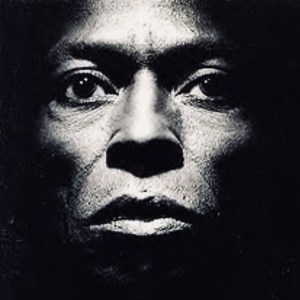
( Designed by Eiko Ishioka )
Before she worked for PARCO, she was full time employee of Shiseido which she made a number of smash hits and one of most empowering works was featuring the teenage new model for suntan cream advertisement to emerge her as sun liberty goddess with swimsuit at sunny beach of Hawaii was positive and sensational advertising throughout a conservative male dominance era of Japan.
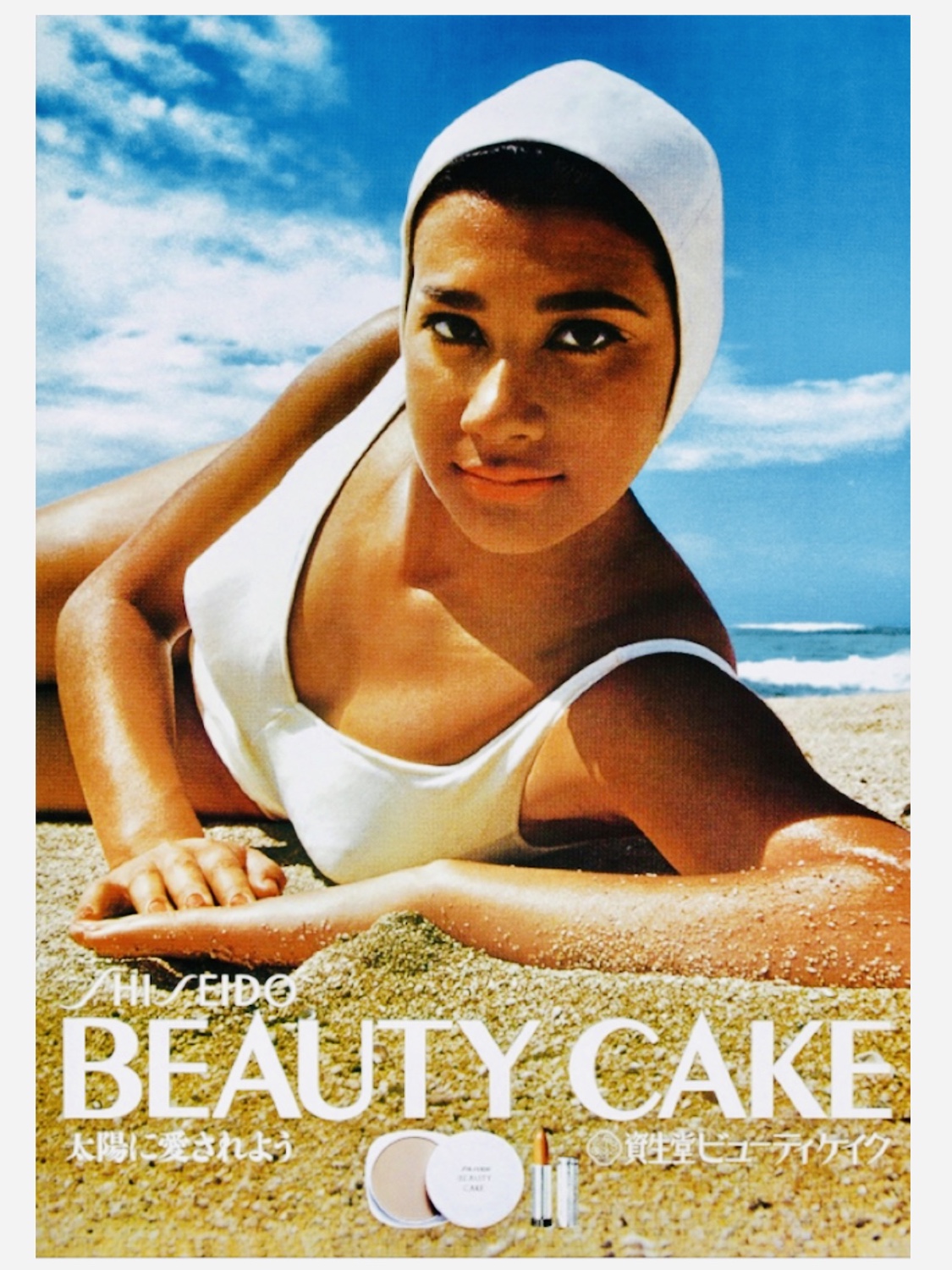
Image referred : Shiseido 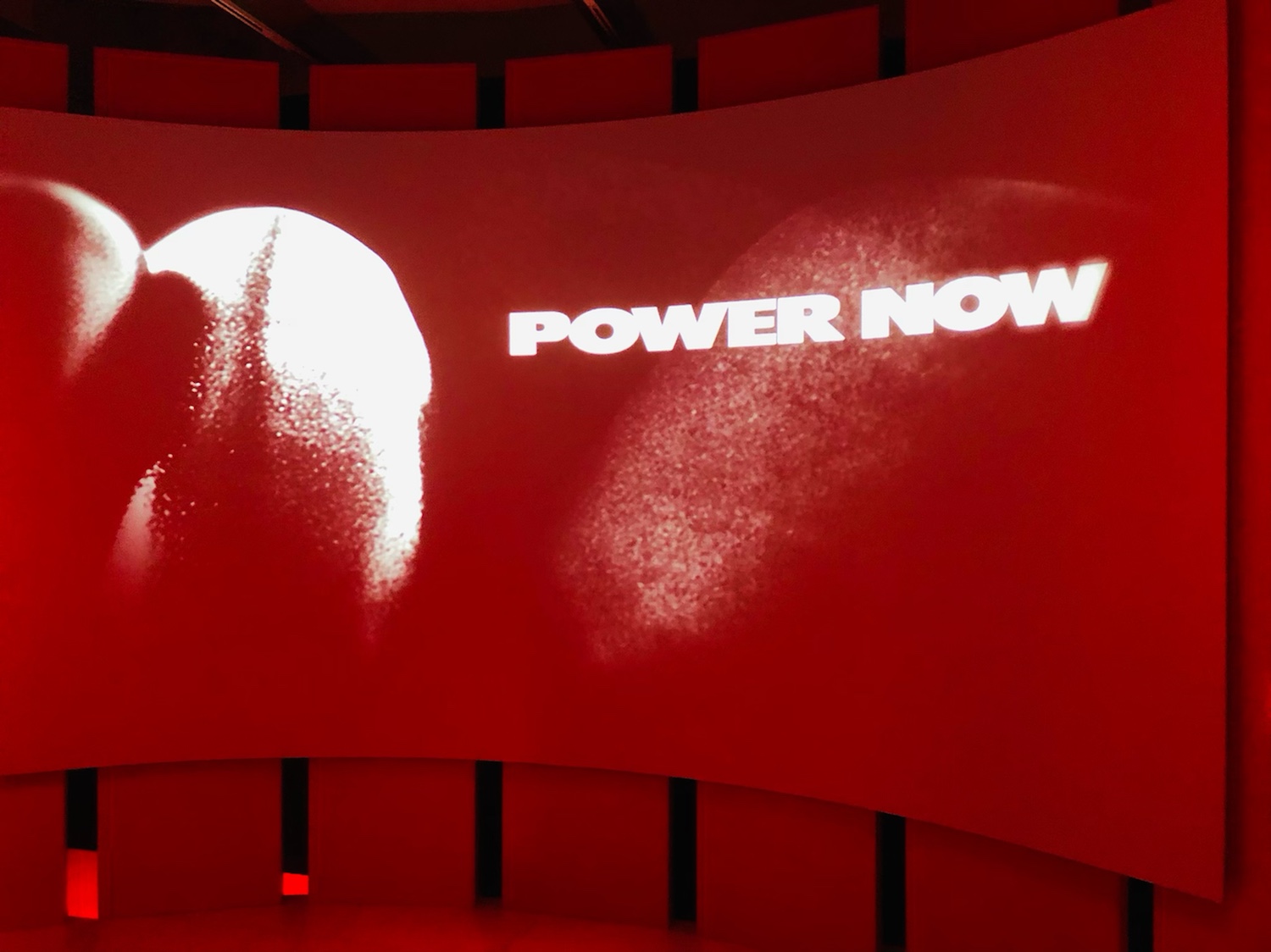
Image : “POWER NOW” Eiko Ishioka graphic exhibition at ggg
No doubt that her late career was continued effortlessly with a traits of theatrical stage arts and collaboration with female artists : Bijork’s music video, “ Cocoon “ ( 2012 ), Circus de Soleilu costume design as well as Beijing Olympic Games were highlighted.
In retrospect, her professional creative experiences often described as “survive”. She often talks about creativity and art in non creative industry upon her past experiences. Those somehow reminds the Japanese words “ Hadaka no tsukiai” – no judgmental, stripped down to naked in communication, no half ass. That, straightforward and boldness with consistent of her communication style would no doubt built and brought the courage to become empowering women in today’s Japanese society as well as an aesthetic authenticity in creativity.

Location Reference :
PARCO ( Shibuya ) Address : 15-1 Udagawacho, Shibuya, Tokyo 150-0042
渋谷PARCO : 〒150-0042 東京都渋谷区宇田川町15−1


