This is a sacred landscape museum of mother nature, history especially in the Japanese antiques and architecturally well designed along the Sagami Bay of Japan where is in a between Odawara and not too far from Atami along the coast of stunning Izu peninsula goes down by the south.
From the local train station, “Nebukawa” which is nominated for “Best 100 views of the Kanto area stations”, a small shuttle bus takes to top of the hill of the site ( booking essential ). At this small station, there’s no shops, nothing commercial premises exists but the stunning view.

The observatory is designed to built accurately to sun and moon angels upon the lunar calendar. They hold a viewing sessions for sunrise and sunset as well as full-moon and new moon. You see how world is round and horizontal from certain angle. This landscape is designed upon the ancient civilization and one’s curiosity. Being there presently is more of zen – mindfulness like experience with the breathtaking views which bring yourself into basic. It could said that the moment of the origin of your childhood memories start to activate is the moment of your conscious life actually begin.
Hiroshi Sugimoto who is an architect, concept designer of this project, and artist who takes landscape photography as well as an antique dealer.
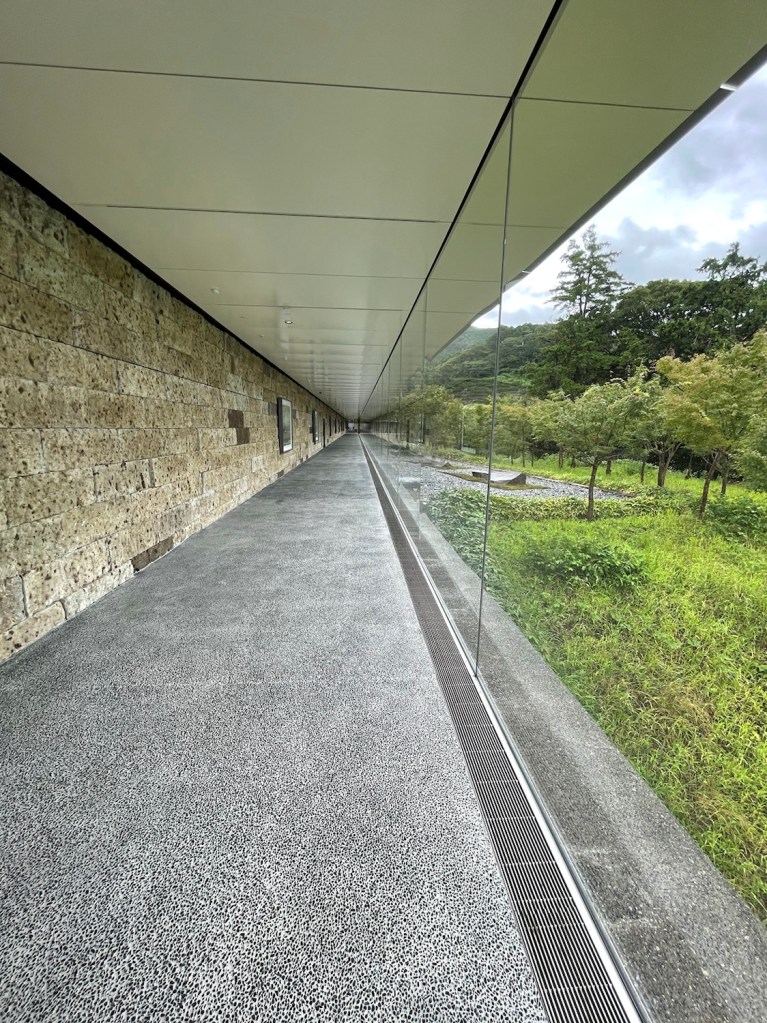

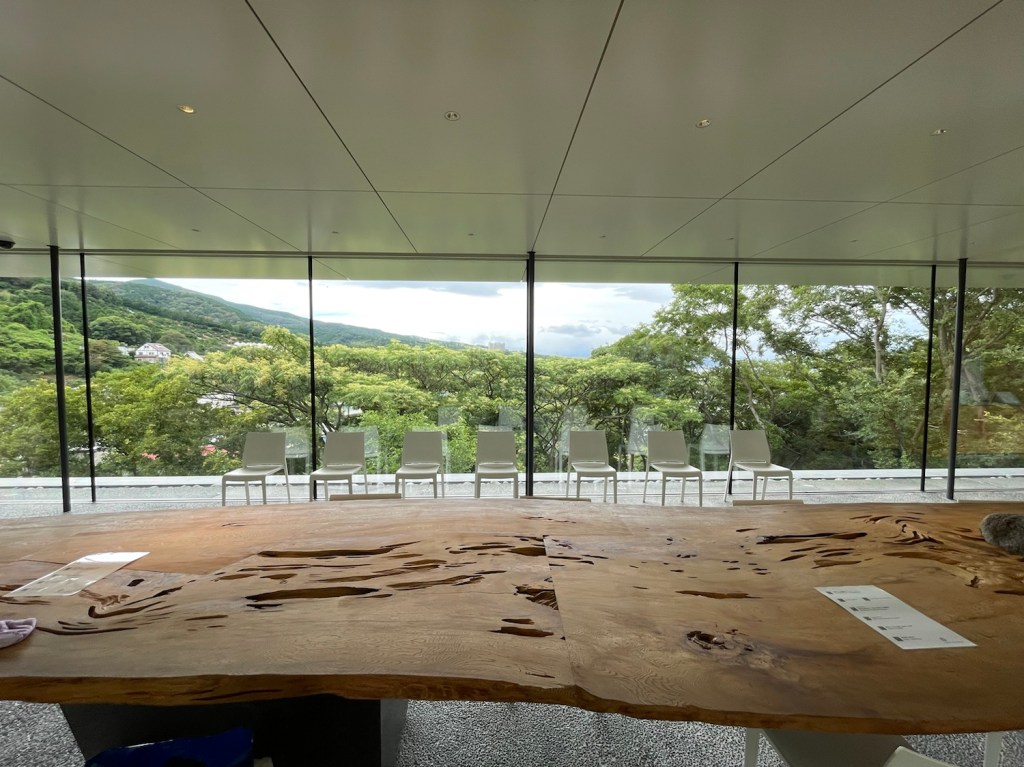
This Enoura observatory took total two decades to open ( ten years of planning alongside finding the right site. And another ten years of constructing process ). Numbers of organizations like Odawara Art foundation to collaborate to bring the birth. To put Sugimoto’s lifelong collection of his antiques yet this would not be called just a museum. Simply to be modified and pleasant with weather and landscape environment of the site. More of philosophical and for example, there is a Noh-stage by almost edge of cliff where with the ocean horizontal spectacle view surrounded by stone yards. Acoustic wise, it is a beautiful authentic field-recording environment ( it can be challenging for a clear digital concert recording once wind blows).
By walking around the site, there are plenty of shadow and light of the antique spots at the site. There is a simple pop-up style kiosk to serve their mandarin drinks as speciality.

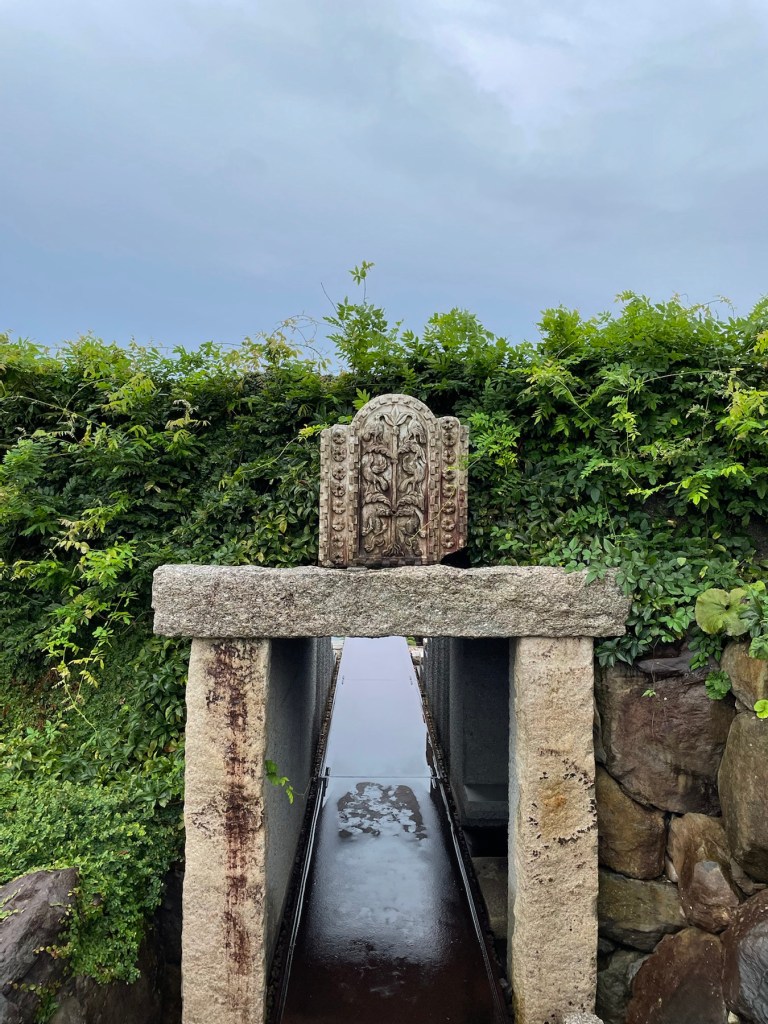


Through the bamboo and mandarin field, there’s plenty of historic and art spots by the numbers of the selected antiques and hidden concepts you can encounter one by one. The era of Kamakura, Edo, Meiji, and up to current landscape and architectural sights, it is a significant sights to embrace different seasons.

For example, on the winter solstice, the longest dark hours of the year in the Northern Hemisphere. That’s about to reverse itself and daylights are about to get longer afterwards. There’s a few myths and rituals across the globe and one of them is that to have a yuzu citrus bath has been a very common seasonal ritual since the Edo era in Japan. To see these ripped mandarin in the winter and enjoy the taste of it as drink at the cafe, it is a little bliss how articulate the balanced angle of the observatory to be able to view the horizon and ocean.


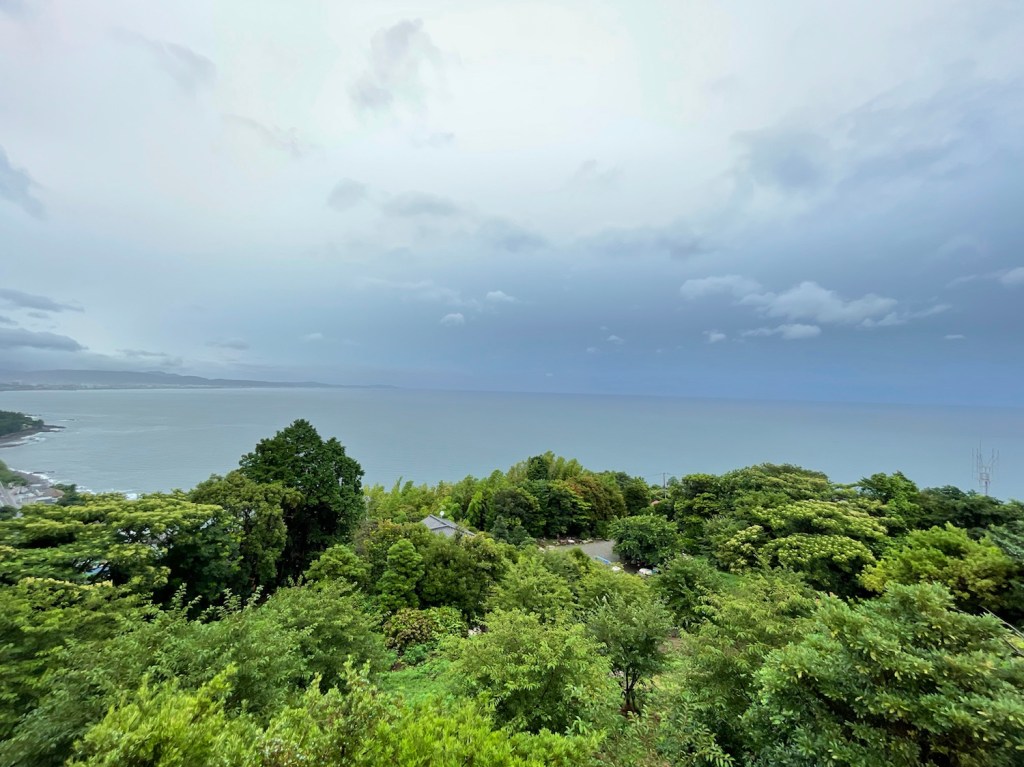
All the art works are curated well, unleashed from the crystal boxes : they are exposed in a nature and stand out gracefully as vulnerable they are at the site where blended with the landscape of Sagami, Odawara. Each of them contains a conceptual philosophy behind: historic and relatable story as architecturally ( mathematically ), spiritually, and landscape wise to be gathered and curated from all over Japan by Hiroshi Sugimoto.


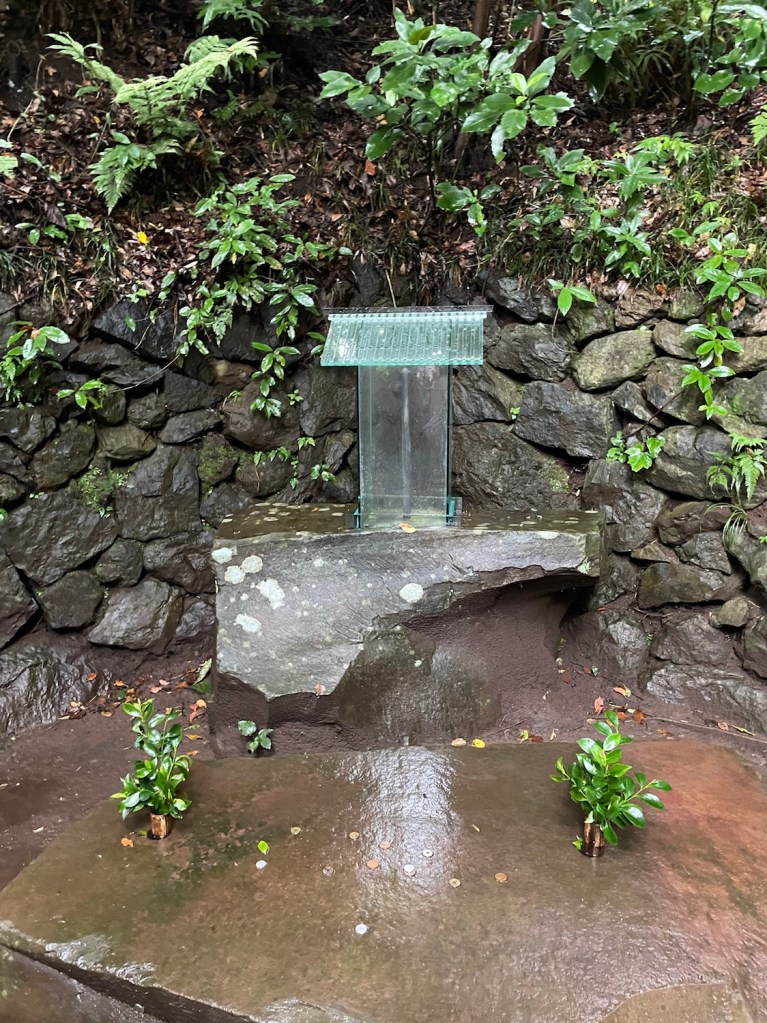
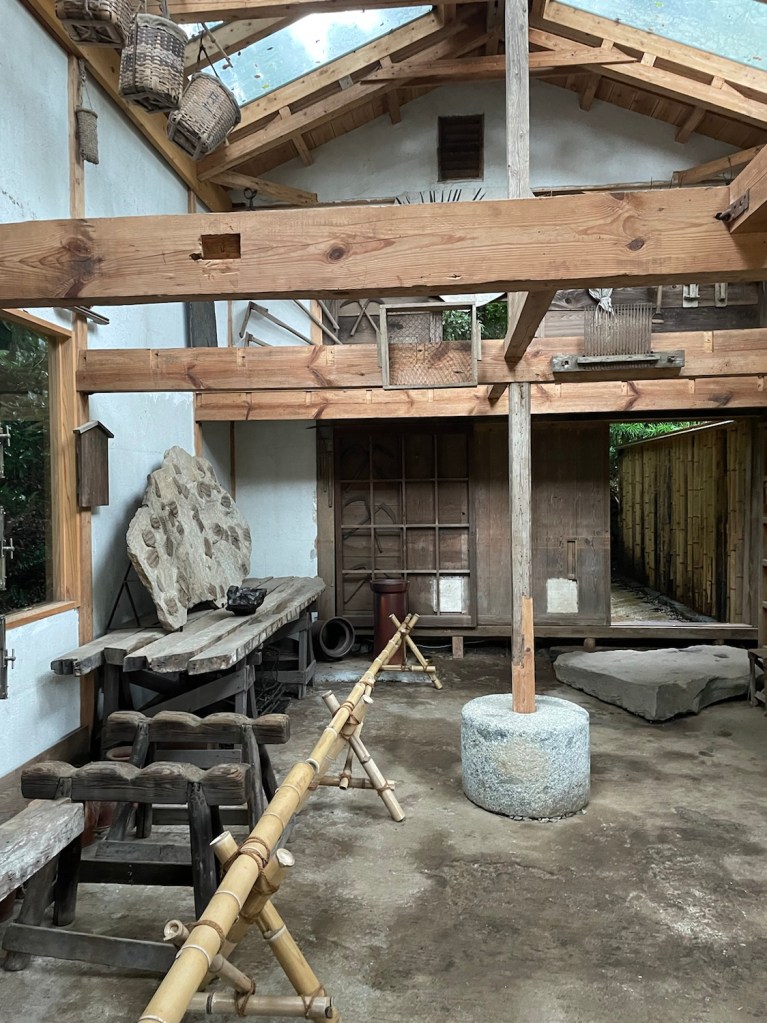
They look literately uncaged, being graceful themselves in a nature. This reminiscing and referring to the past literature of Sugimoto mentioned about interacting with antiques is similar to the degree of “a myths of the depths in textures” – It is like a profound depth of the encounter with the beauty of the sensual experience – it could said that the beauty and integrity dies out in a dark without being noticed or seen if were filled with lust and greed. On the other hand, even if it survived and trained to become a proper antique, they would still be caged and being possessed : the antiques would still look beautiful, longing appears to collectors to take away from the cage to experience them.
It took twenty years to cultivate for opening, and being reciprocated with visitors to create the total environment of this landscape beauty with limited budget and it is not surprising how it still “working in the progress”. It is indeed Sugimoto and City of Odawara’s life time ( longtime ) project which I found profound and philosophical. It is always pleasant to be there for being a part of the nature.
Location Reference
Enoura Observatory : Address | 362-1 Enoura, Odawara, Kanagawa, Japan ( Booking essential )


